
HSBC
Travelling Access Platform

HSBC Travelling Access Platform

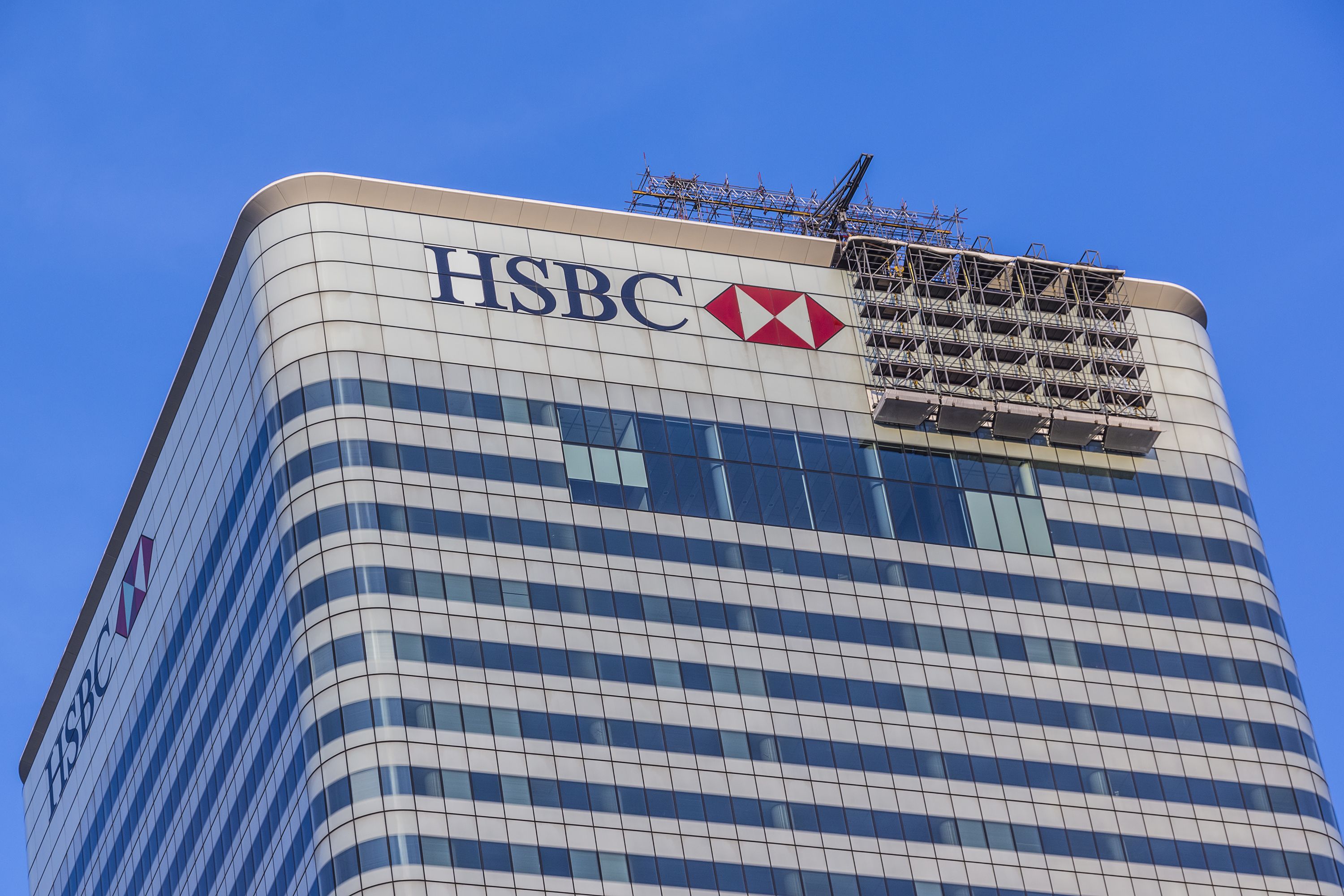
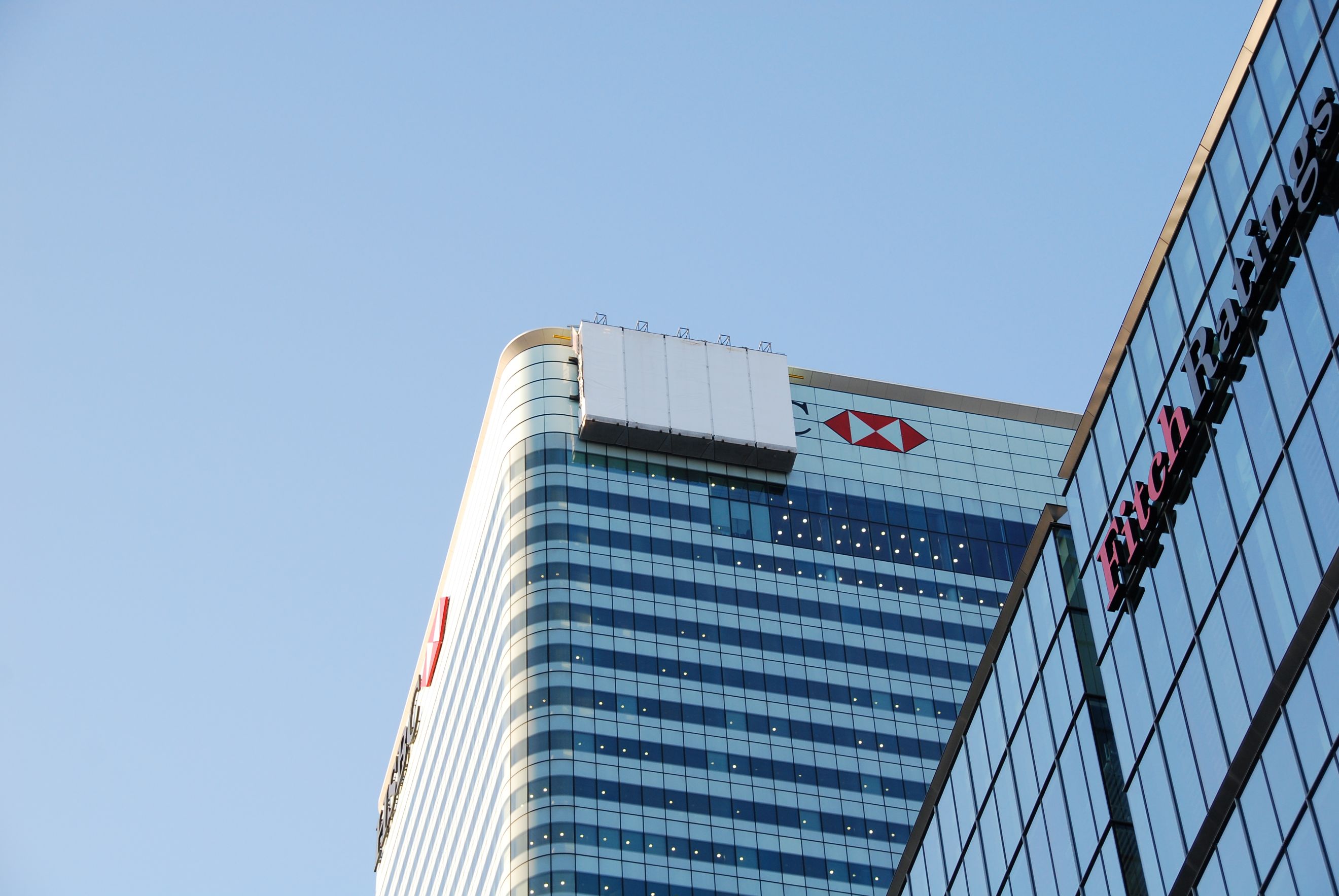
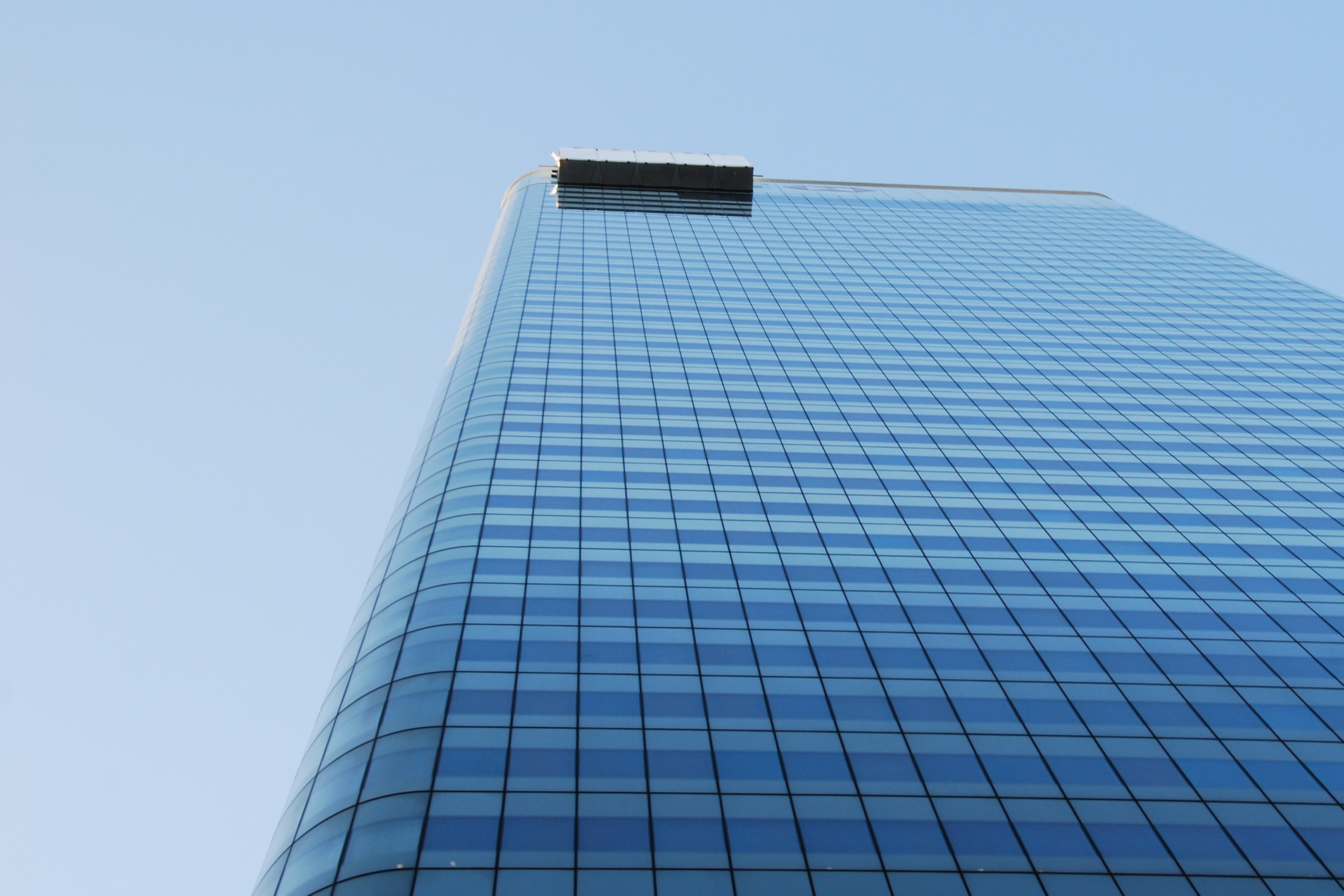
The upper levels of glass needed to be replaced on the 40-storey HSBC tower, and new signage was to be installed. The client's criteria was to do this with minimal visual impact.

Cambell Brown developed the engineering that would allow a 5-storey platform to be supported on the existing structure and then moved along. Cambell Brown Engineers also advised Hudson Lifting in the operation and erection of the platform.


Project Overview

The 46-storey HSBC Tower required the replacement of its upper-level glazing and installation of new, brighter, and more visible signage. The client faced two options:

  • Option 1: Install a hanging scaffold around the top of the building – a highly visible and logistically challenging solution.
  • Option 2: Develop a discreet, custom-designed travelling access platform (TAP) for high-rise maintenance and installation.

The second option was chosen, requiring an innovative approach and meticulous planning.

Challenges & Requirements

This unique high-rise engineering project demanded close collaboration with the glazier and main contractor. The TAP needed to:

  • Lift heavy glass panels weighing over 500 kg into position anywhere along its length.
  • Provide safe working access for glaziers.
  • Seal against the building façade to prevent any dropped items from falling.
Our Approach

Cambell Brown began with a detailed structural engineering desk study of the existing building to identify key load-bearing elements. From this, we developed a bespoke design for the travelling platform and its supporting system:

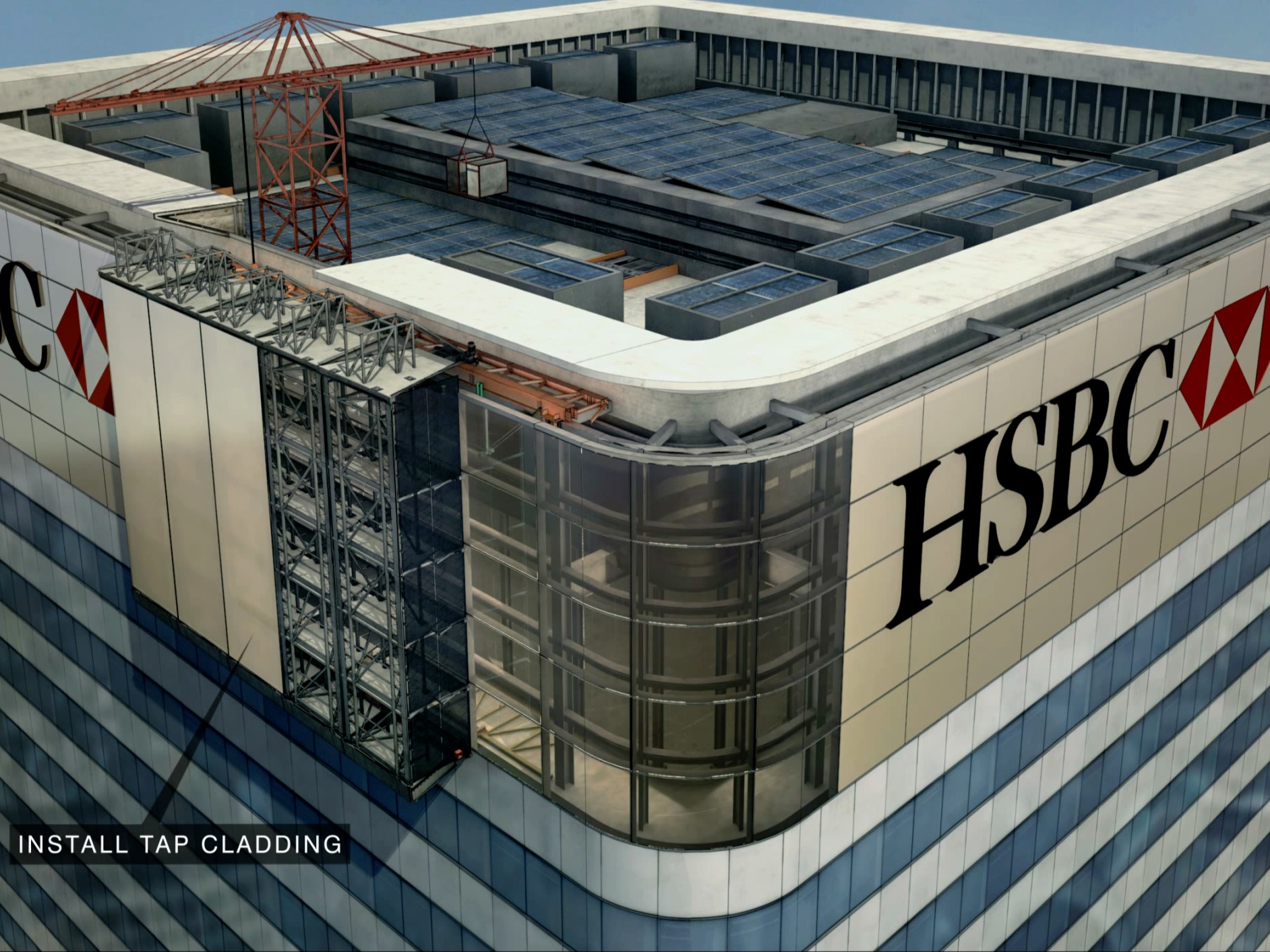
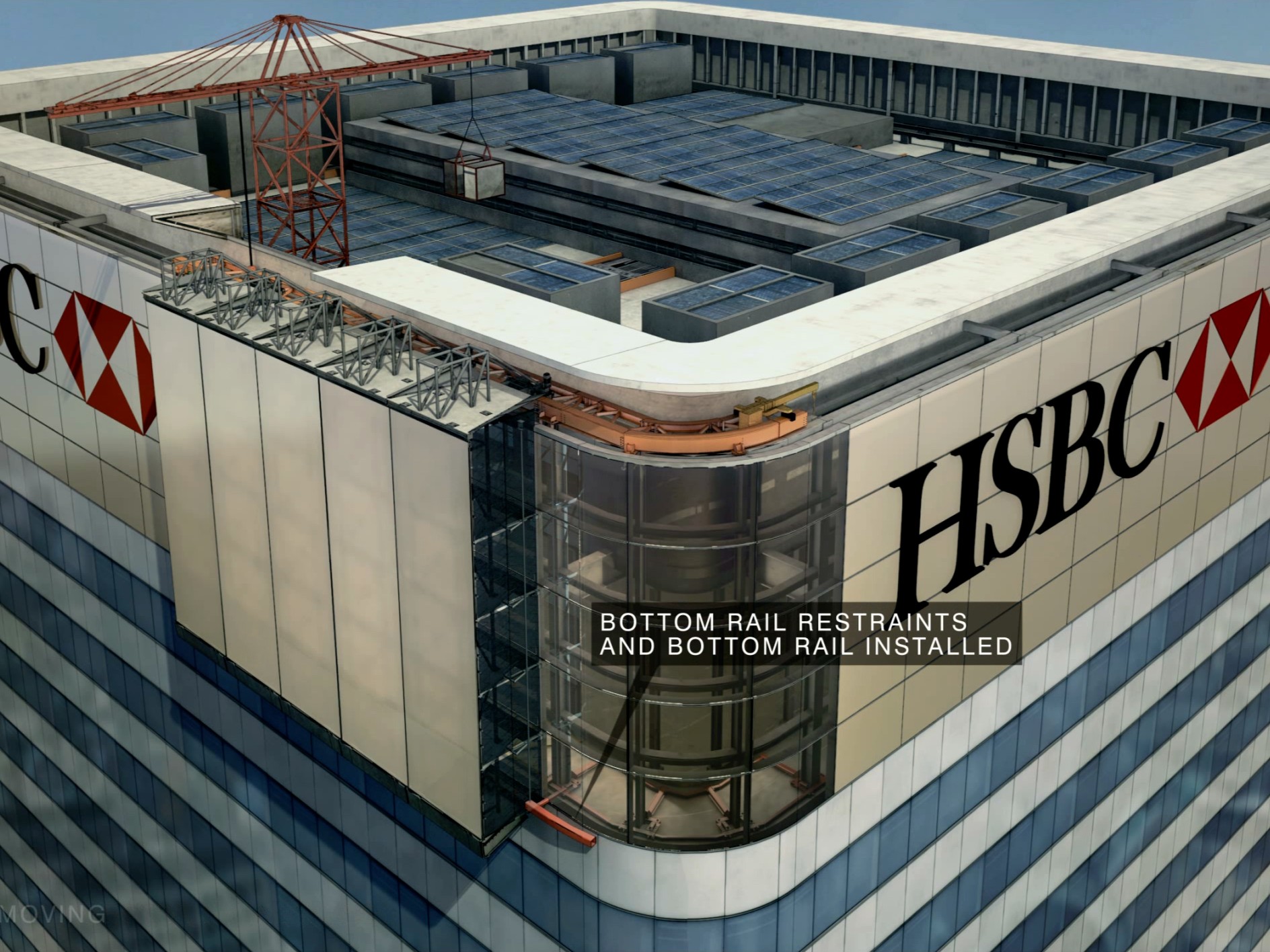
  • Dual Rail System: Two rails were installed – one at roof level and one at a lower external level. These rails had to be strong enough to support the TAP yet light enough for installation using the building’s BMU (Building Maintenance Unit).
  • Modular Platform: A three-storey-high TAP was designed to navigate the building’s tight corners. Each section was trapezoidal, with infill panels between units for complete coverage.
Complex Lifting Solutions

Lifting the TAP units to the 46th floor (160m high) presented significant challenges:

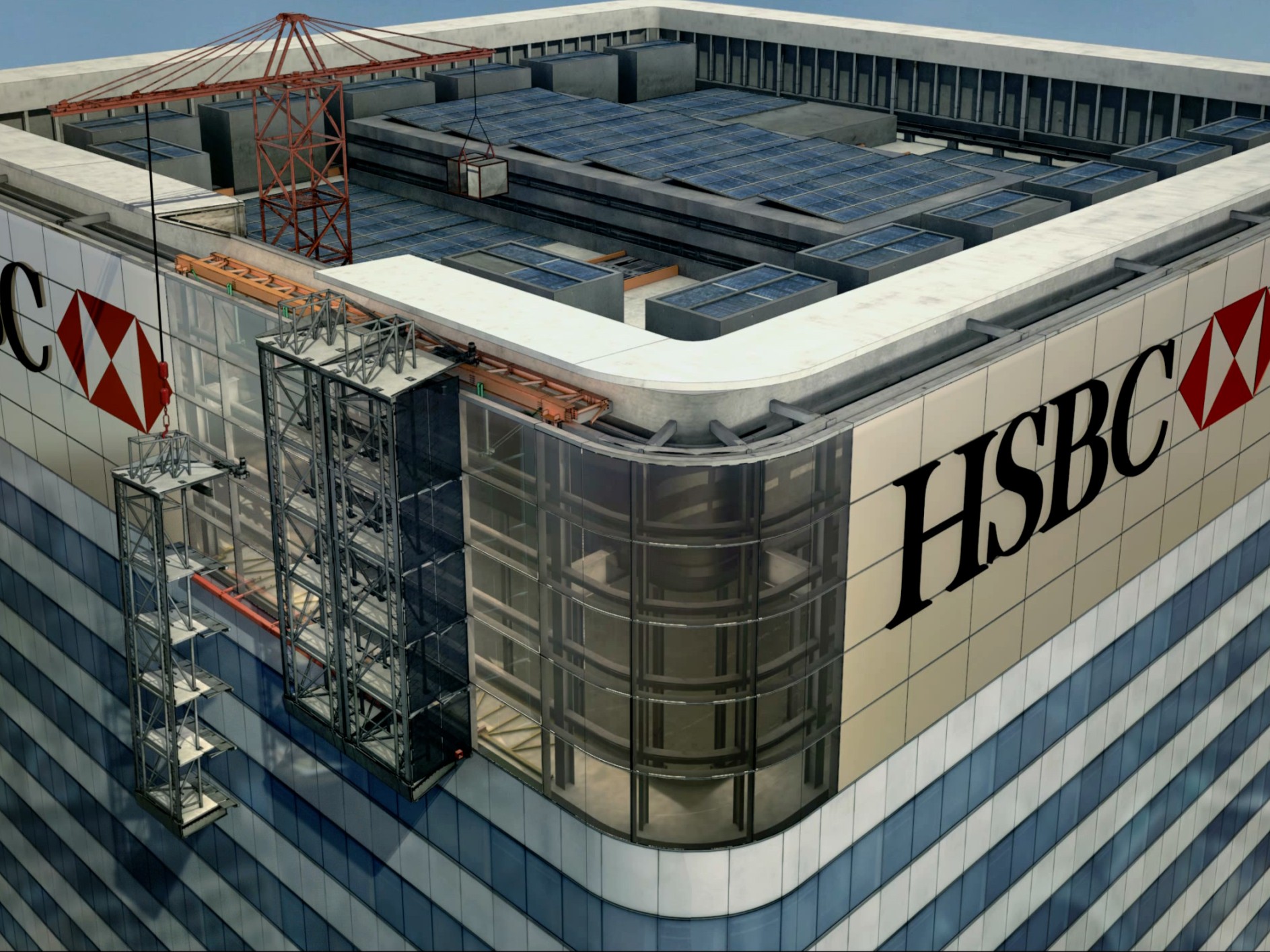
  • Cambell Brown partnered with Hudson Lifting to design a portable gantry crane that could be transported via the goods lift and assembled on the BMU tracks.
  • Special twin winches were procured to hoist the units, guided by abseilers along the building façade.
  • A modular, manhandle-able tower crane was fabricated to overcome restricted access and allow safe lifting from podium level to the top floors.
Innovation & Risk Management

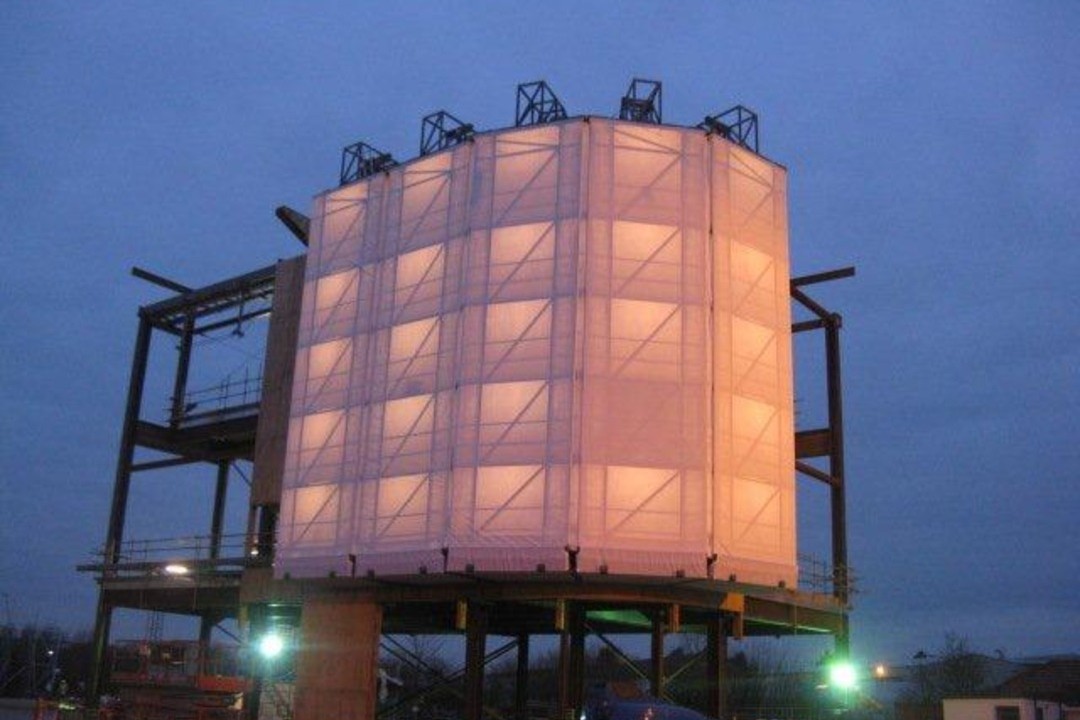
Due to the complexity and risks involved, an off-site trial was conducted. A replica corner of the building was constructed, enabling full testing and refinement of all components before deployment. Cambell Brown also developed the cladding systems and produced detailed fabrication drawings.

Outcome

The project was delivered successfully, combining engineering ingenuity, bespoke lifting solutions, and high-rise access expertise to meet the client’s requirements discreetly and efficiently.
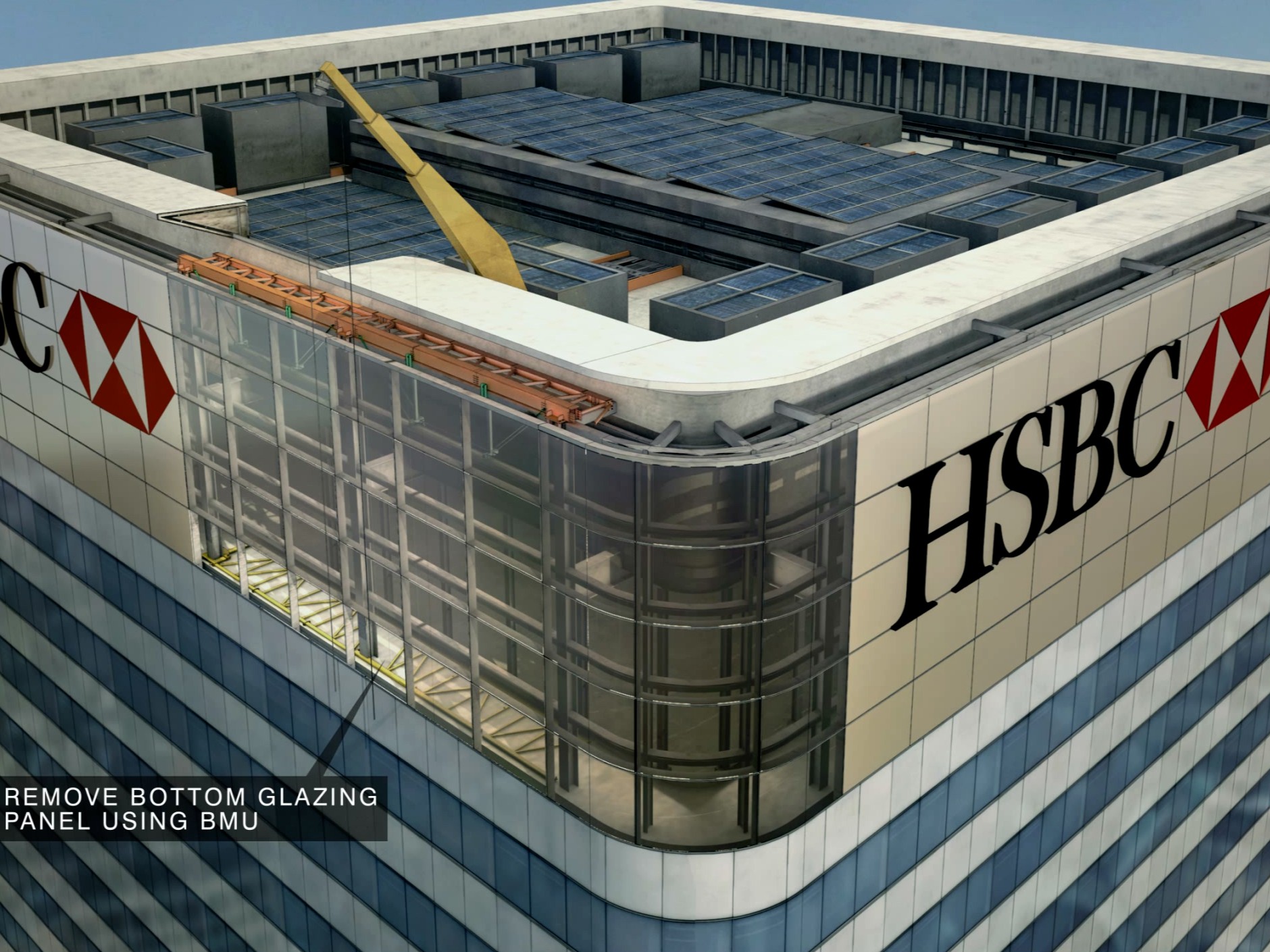
Stage 1 Top and Bottom rail installation using the BMU
Stage 2 Erection of portable crane and lifting of Travelling Access Platform (TAP)
Stage 3 Cladding installation
Stage 4 Bottom rail extenstion and removal to allow progression of TAP

Images courtesy of Mace

Gallery